
Ant Control
Effective ant control starts with identifying the ants and understanding what’s attracting them. At Critter Ridders Pest Control, we inspect ant activity, entry points, and potential nesting areas, then recommend targeted treatment for your property. We also identify conditions such as excess moisture, food sources, and vegetation contact that can contribute to recurring problems.
Carpenter Ants
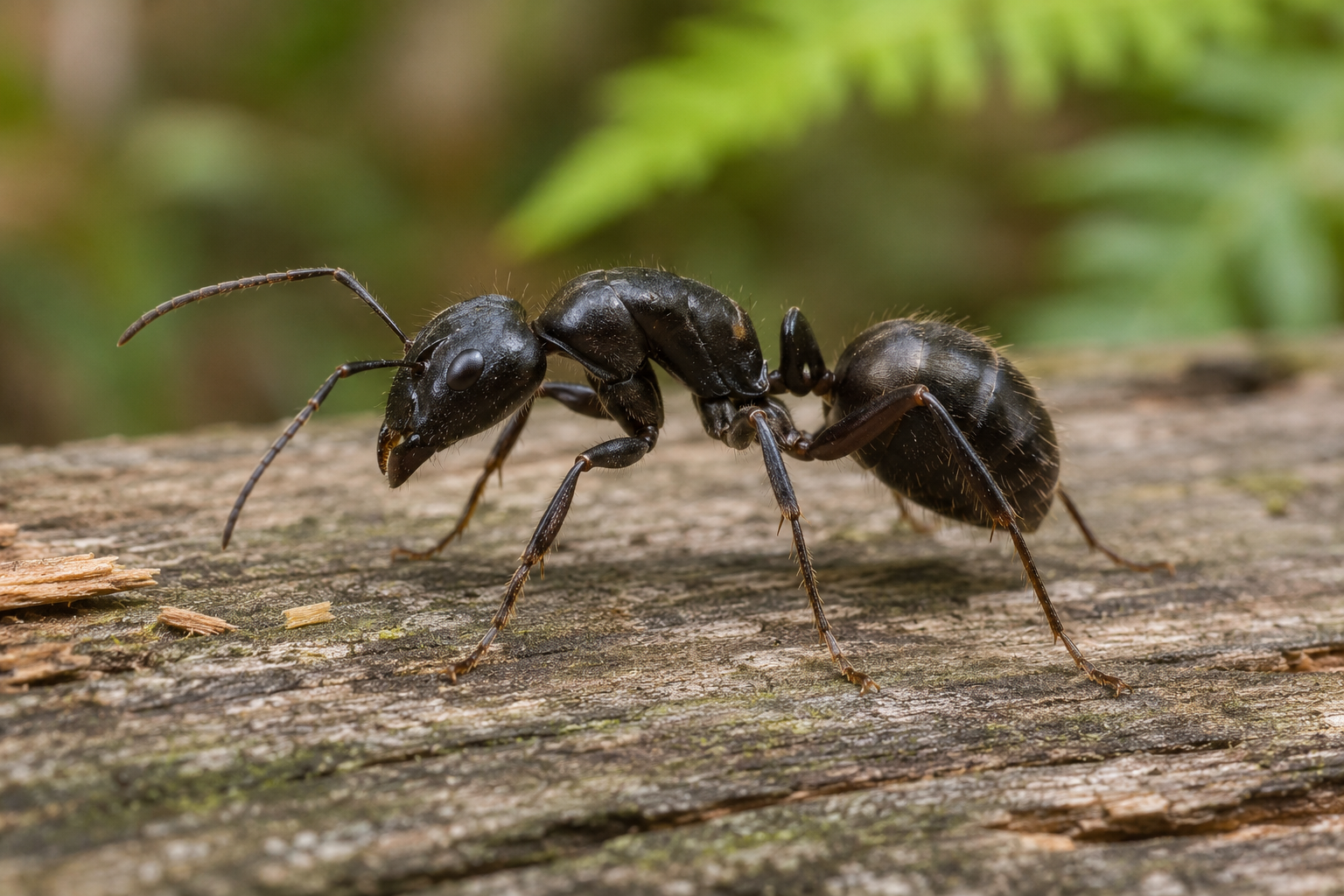
Carpenter Ant - CRPC
Carpenter ants are larger ants that may be black or a combination of red and black. They excavate wood to build nests rather than eating it, and established colonies can cause structural damage. Repeated indoor activity or piles of coarse sawdust may warrant an inspection. We look for nesting activity and recommend treatment and corrective measures.
Odorous House Ants (Sugar Ants)
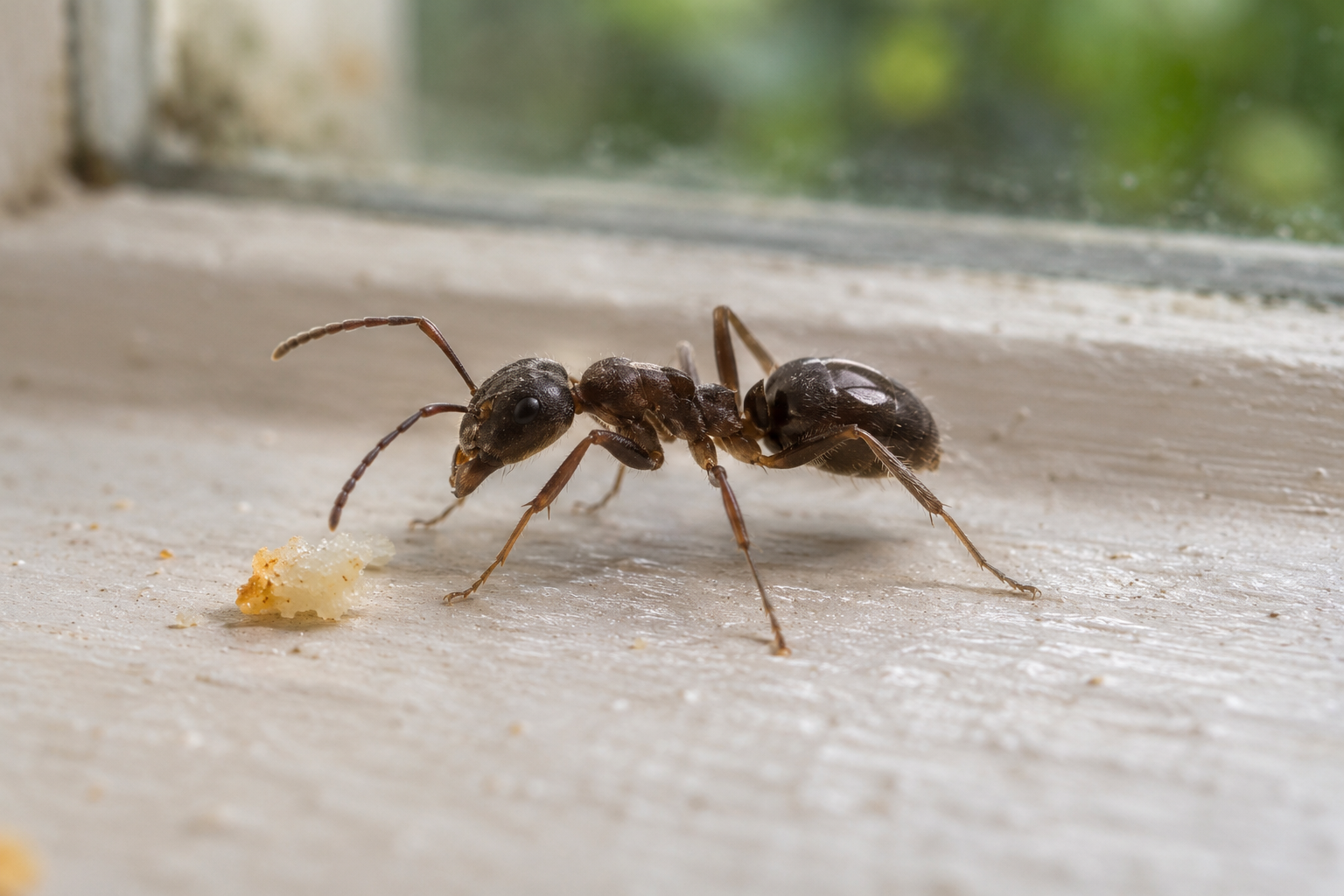
Odorous House Ant - CRPC
Often called “sugar ants,” these tiny brown-to-black ants commonly enter homes searching for food. You may notice trails around countertops, cupboards, and windows. Their colonies can relocate, making recurring activity frustrating. Our approach focuses on identifying their activity and targeting the colony while addressing conditions that attract them.
Moisture Ants
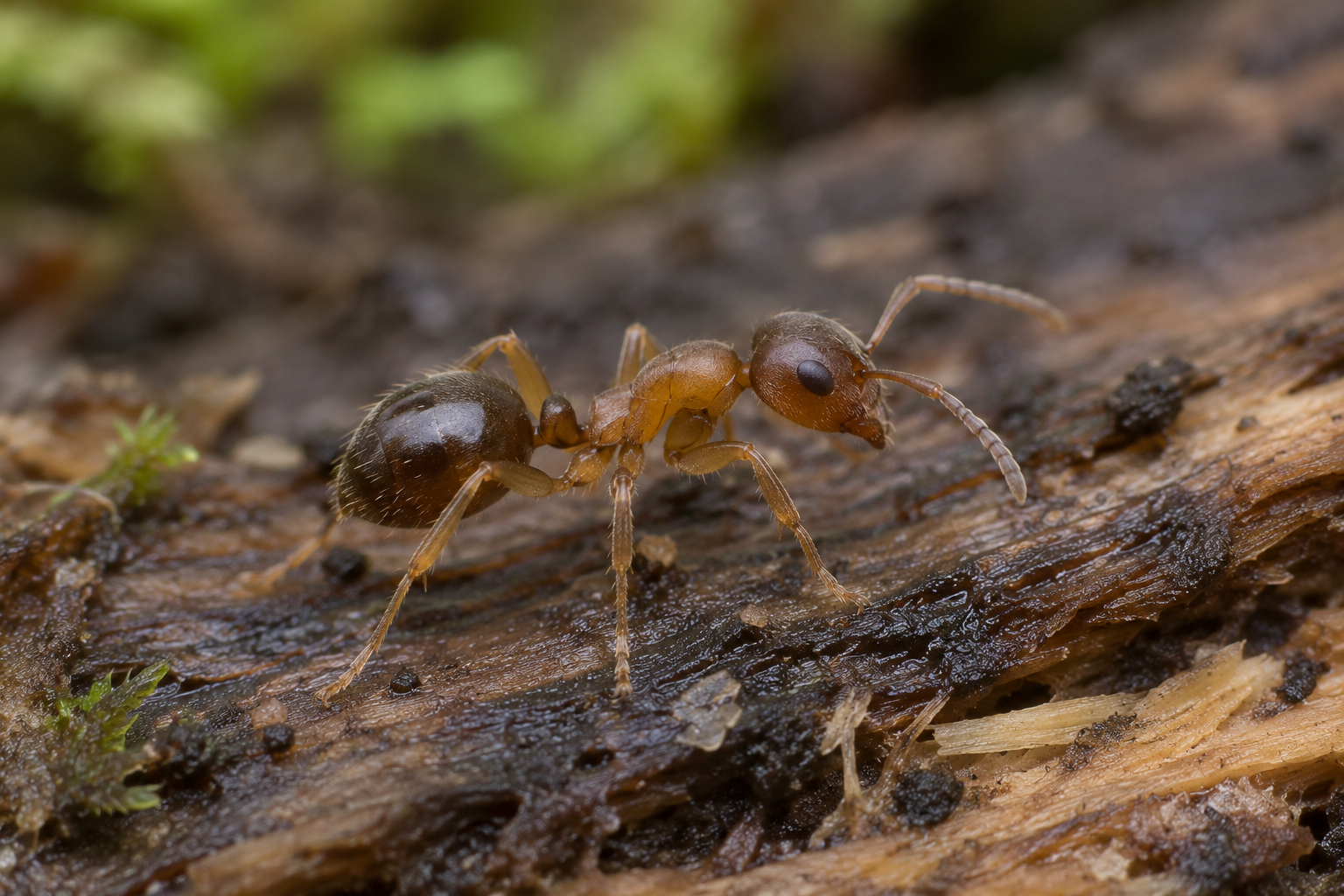
Moisture ant - CRPC
Moisture ants are small ants commonly associated with damp soil and decaying wood. When nesting inside a home, they can indicate an existing moisture or wood-decay problem. We inspect the activity and recommend appropriate treatment, along with moisture correction and replacement of damaged wood where needed. Addressing these conditions is essential for lasting control.
Thatching Ants
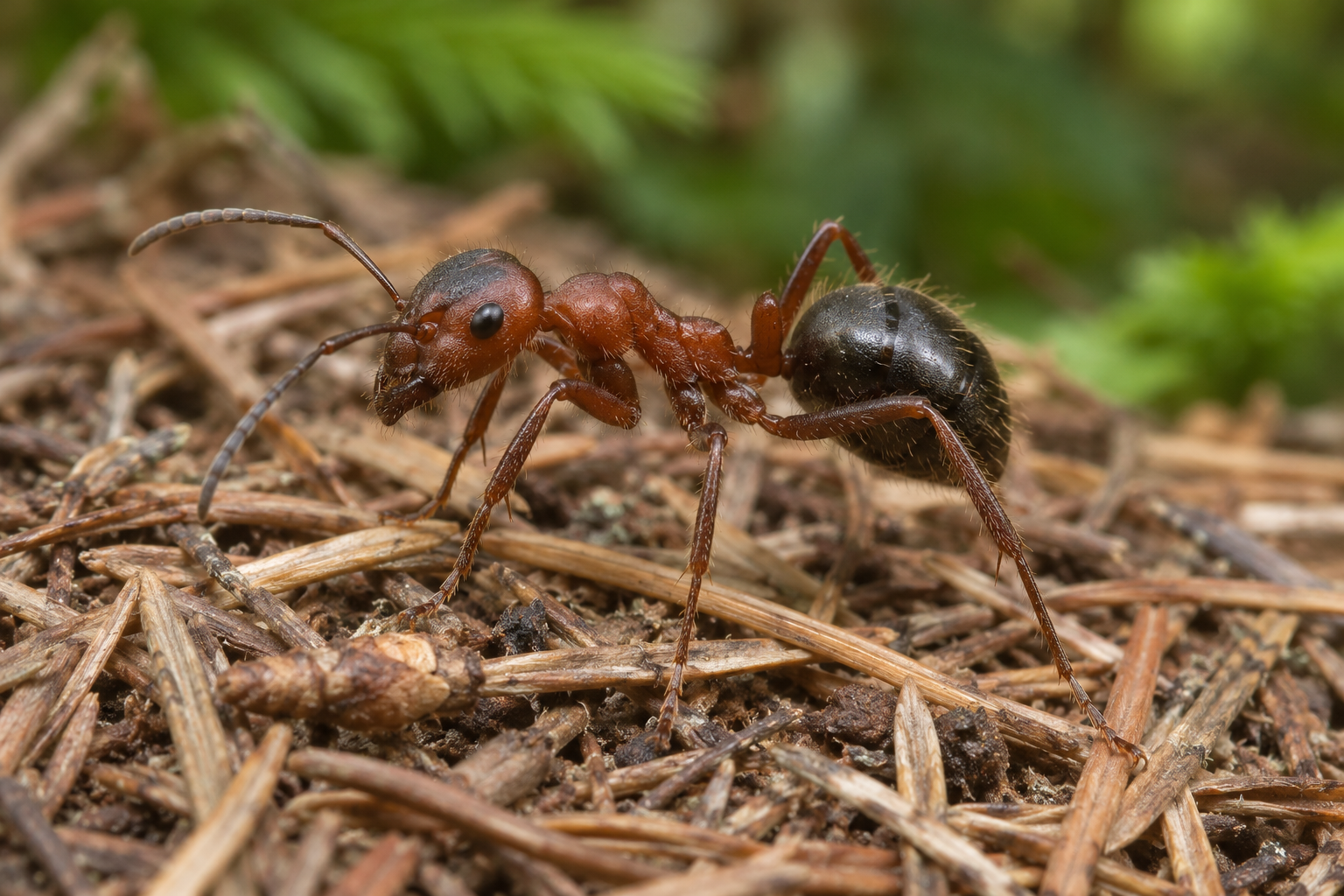
Thatching Ant - CRPC
Thatching ants are medium-to-large ants, often red and black, that may build outdoor mounds from needles, twigs, and other plant material. They help control other insects but can bite and spray irritating formic acid when disturbed. When nests interfere with walkways, lawns, or gathering areas, we inspect the activity and recommend appropriate management.
Pavement Ants
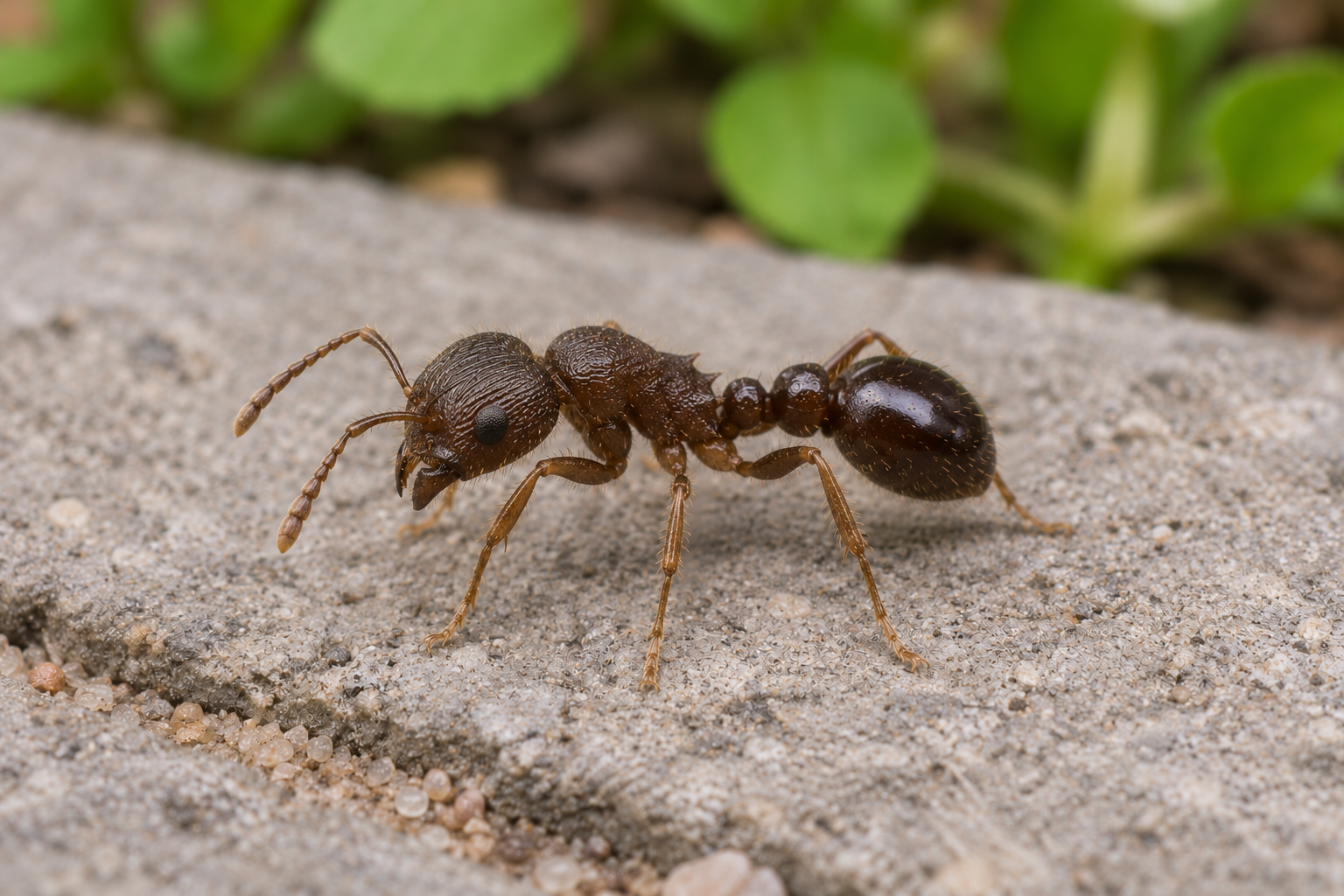
Pavement Ant - CRPC
Pavement ants are small brown-to-black ants that commonly nest beneath sidewalks, patios, stones, and other paved surfaces. They may enter homes searching for sweets, grease, and other food. We inspect trails and potential nesting areas, recommend targeted treatment, and identify entry points and food sources that contribute to recurring activity.
Velvety Tree Ants
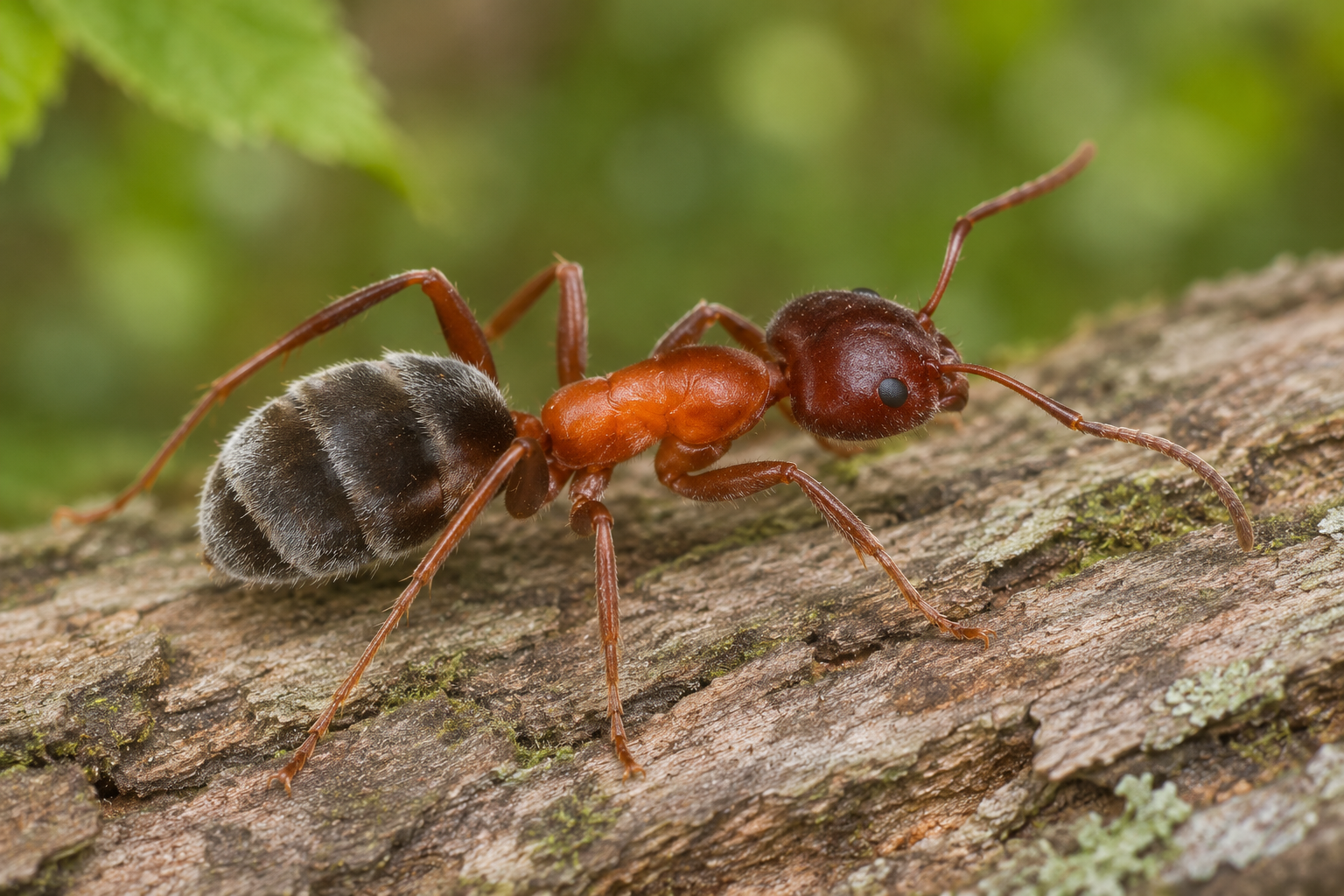
Velvety Tree Ant - CRPC
Velvety tree ants get their name from the fine hairs that give their abdomen a velvety appearance. These wood-damaging ants can tunnel into structural wood and damage insulation when nesting inside buildings. Colonies often originate in nearby trees, stumps, or logs, with trails leading into the home. We inspect ant activity, potential nesting areas, and access points, then recommend targeted treatment and practical steps to help protect your property.